WORK HISTORY
ASPEN APPLIED TECHNOLOGIES — NJ
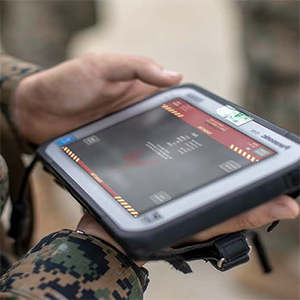
As Senior Systems Design Engineer (2025–Present), I lead the Human Factors engineering and interface design for an EW platform built for the U.S. Marine Corps. The work is grounded in real operator task analysis and ongoing feedback from the field. The result pairs a simple interface for Marines in the field with a more advanced console that lets EW officers build and manage programmable effects — proven highly effective in training exercises worldwide.
Standards context: MIL-STD-1472H human engineering criteria; DoDI 5000.02 Human Systems Integration.
INTERNATIONAL SOS — PHILADELPHIA
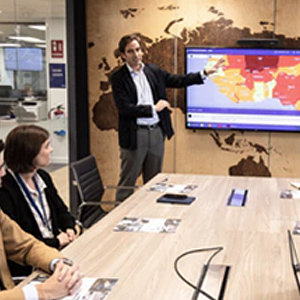
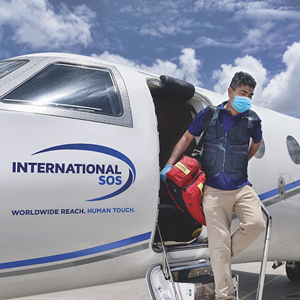
As Director of User Interface / User Experience (2018–2024), I led the interface design of map-based Intelligence systems for international Medical and Security teams to monitor global crises and maintain situational awareness, tailored to how responders actually work under pressure. This helped teams respond with the right telemedicine, secured evacuation and air-ambulance services — protecting the largest multinational corporations, NGOs, major universities, State Department and all branches of the U.S. Armed Forces.
Standards context: ISO 31030 travel risk management; WCAG 2.1 AA accessibility; GIS interface design.
ABBOTT GLOBAL POINT OF CARE — PRINCETON, NJ
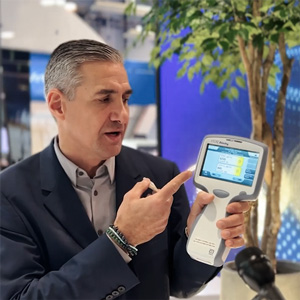
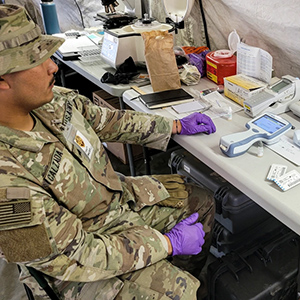
As Principal User Interface Design Engineer (2011–2018), I led the interface design of small medical devices, most notably the Alinity i-STAT, a second-generation mobile rapid-test blood analyzer that helps clinicians diagnose and treat patients in remote and point-of-care settings around the world. The device is used in hospitals globally, and has since been adopted by the U.S. Army to detect Traumatic Brain Injury (TBI) in warfighters — extending its reach from the clinical bedside to the battlefield.
Standards context: IEC 62366 usability engineering; AAMI HE 75; 21 CFR Part 820 design controls; FDA 510(k).
DIGITAS HEALTH — PHILADELPHIA
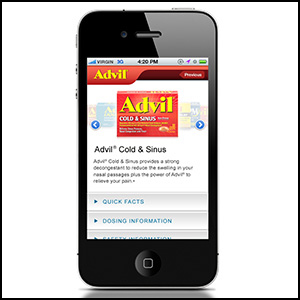
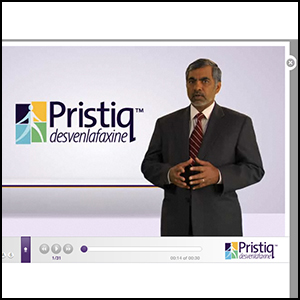
As Director of Interactive Design and Development (2000–2011), I was part of the agency's first UX team, established to increase the usability of solutions and built 40+ award-winning websites, mobile apps, kiosks, videos and animations for major clients across pharmaceutical, Life Sciences and financial services. I designed and programmed streaming-video training platforms for medical staff and sales representatives, and prototyped digital and analog experiences for in-store kiosks and convention-floor events — while managing and mentoring staff in a fast-paced and award-winning studio environment.
Standards context: FDA prescription-drug promotion — 21 CFR Part 202 (fair balance and risk disclosure) with OPDP promotional-material review (Form FDA 2253).